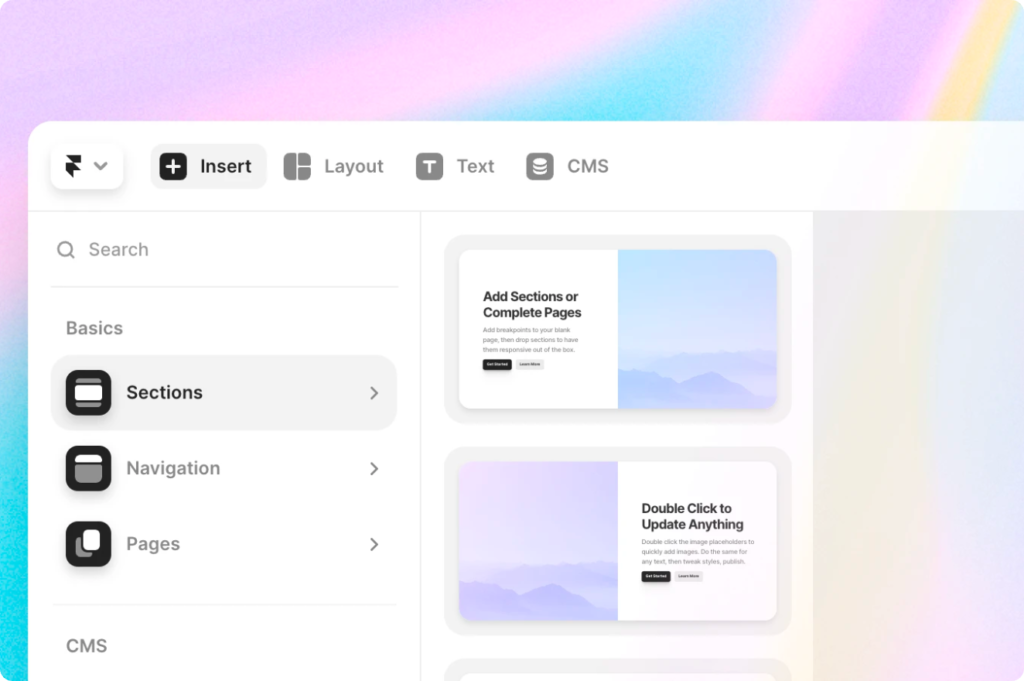
Create a clear experience with thoughtful content and design ✨
Plan a clear countdown experience with a useful deadline, readable labels and an accessible alternative for visitors. Start by identifying the question your visitor needs answered. A focused page makes the next step clear and gives every image, heading and button a useful role. Keep the important information close to the action it supports.
A useful reference is more than a collection of colors and screenshots. Look at the order of information, the size of the headings and the space between sections. Notice how an interface helps someone understand what is available and decide where to go next. Capture the ideas that support your own audience instead of copying details without a purpose.
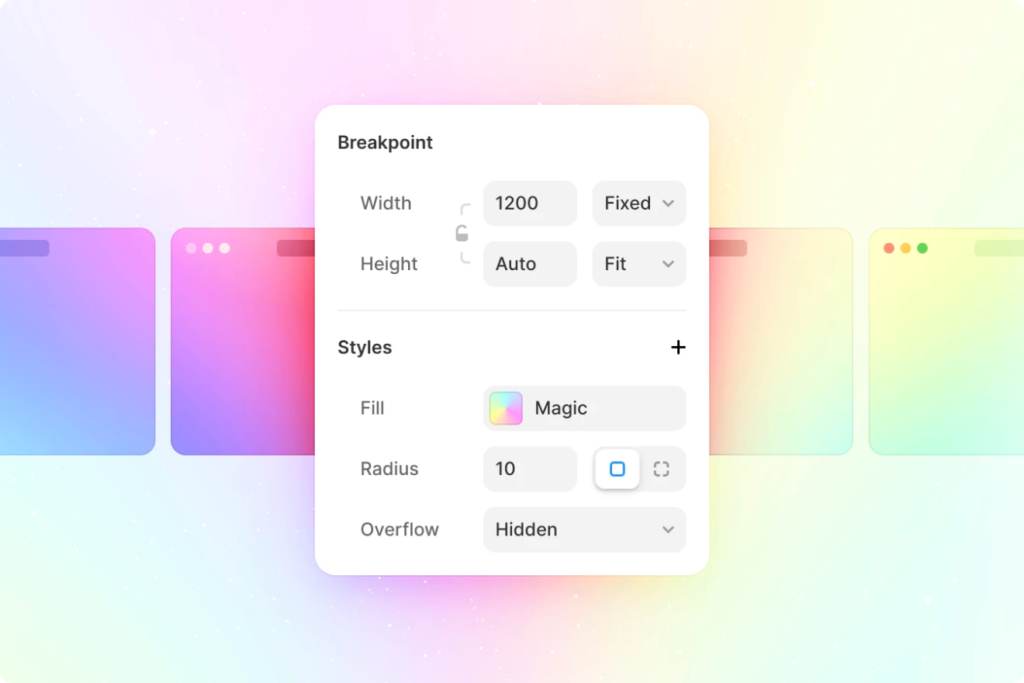
Build a flexible layout that works across your website ✨
Choose a simple structure before adding decorative details. Keep related information together, write concise labels and use a consistent visual hierarchy. Your page should remain understandable when a heading wraps, an image changes or someone visits on a smaller screen.
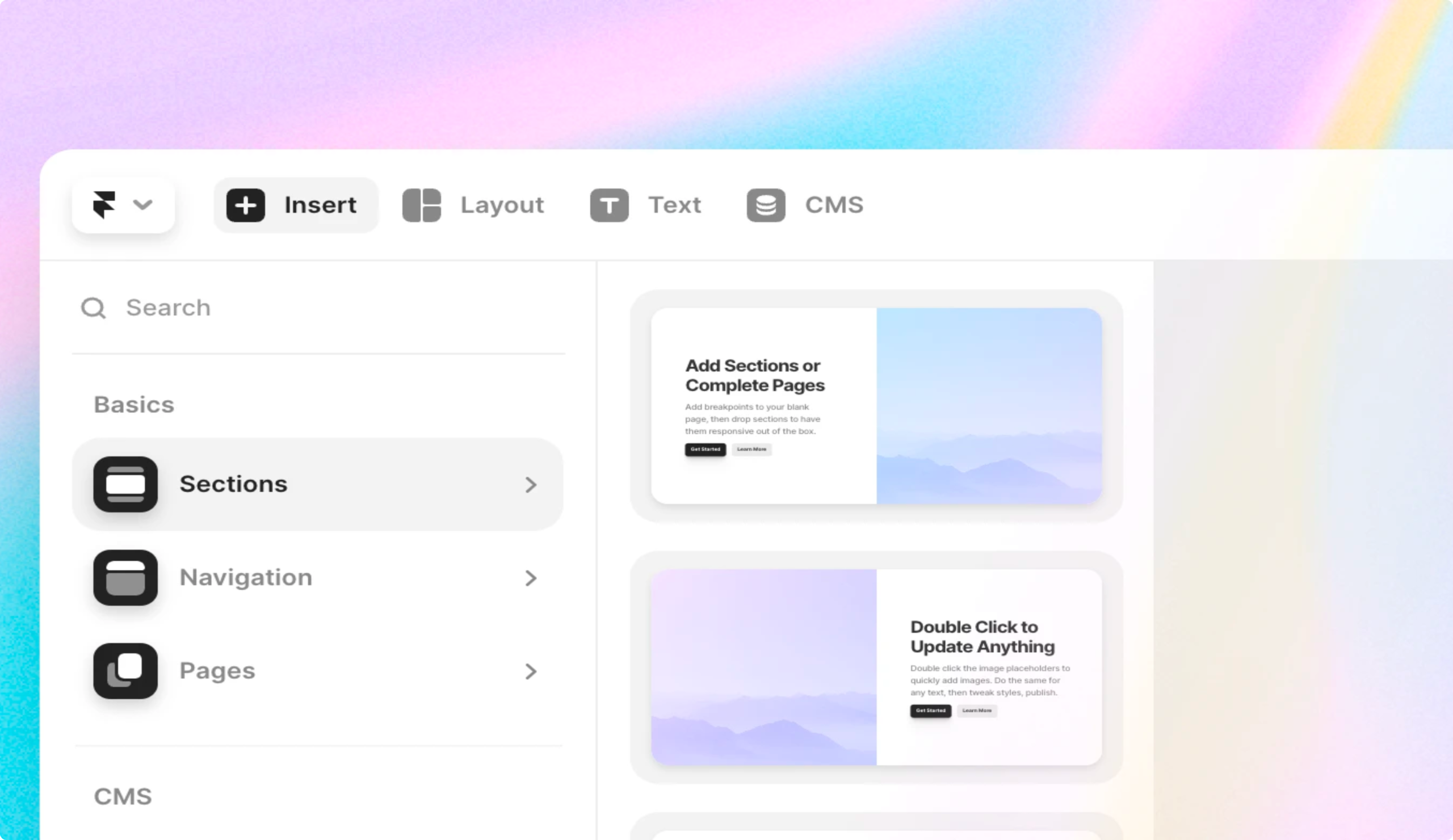
Review the page as a visitor. Read the headings first, follow the main links and check whether each section answers a useful question. Small improvements to the content often make the design feel clearer without adding more elements.

Give each section a clear purpose.
Use consistent spacing and readable text.
Choose images that support the surrounding content.
Preview the page on desktop, tablet and mobile.
Refine the details and make the page easier to maintain ✨
Use reusable sections where the layout stays consistent, and keep article content editable where it needs to change. A clear editing structure helps you update images and text without rebuilding the page. Check links and labels whenever you publish a new version.
A well-organized page gives readers a steady path through the content. Keep the most useful details easy to find and use examples to explain ideas that are difficult to describe in a short sentence. Preview longer titles and real content before treating a layout as finished.
Return to your original goal during the final review. Make sure the page looks consistent with the rest of the site and that every interaction has a clear result. Save changes in small steps, test the important paths and keep a note of any content that still needs to be replaced.